
The Psychology of Neutral Interiors
Neutral interiors have become a defining part of warm, peaceful home design. They’re more than a style choice. They shape how we feel in our spaces. Soft tones, natural textures and gentle light create an atmosphere that feels grounding and emotionally supportive. Many people are drawn to beige, cream, warm white and natural wood because these tones create a sense of calm that’s hard to achieve with bolder palettes. A neutral home feels like a place where you can slow down, breathe and settle into yourself.
Neutrals Reduce Visual Noise and Mental Clutter
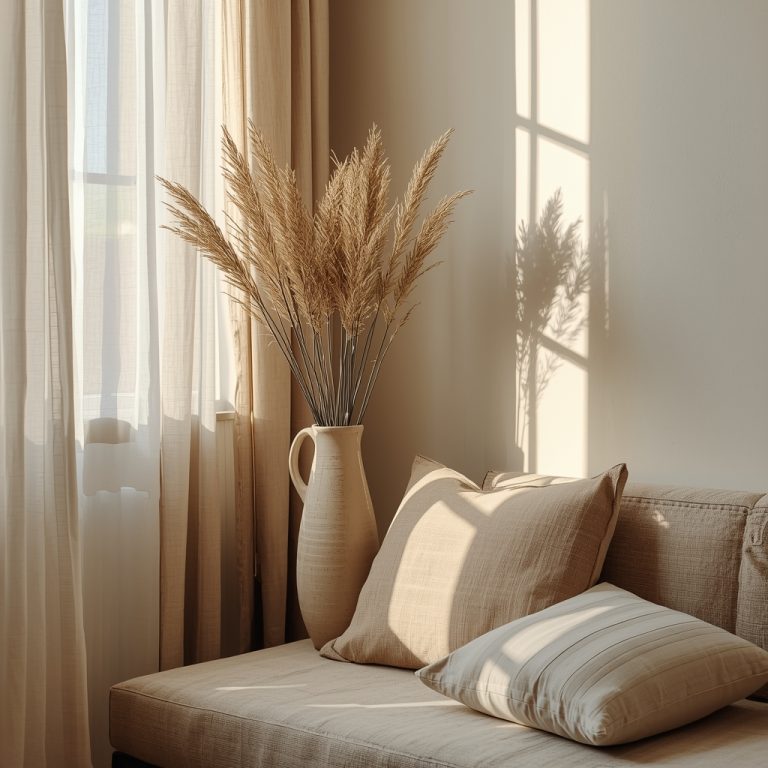
Neutral spaces feel calm because they remove visual distractions. Bold colours and busy patterns constantly pull the eye, even when we don’t realise it. Soft neutrals slow everything down and create a gentle backdrop that allows the mind to rest. When a room is filled with warm, quiet tones, the space feels more open and spacious.
This reduction in visual noise has a direct effect on mental clarity. A neutral room naturally encourages slower breathing and softer thoughts. It becomes easier to focus, unwind and feel present in the moment.
Warm Tones Create Emotional Safety and Comfort
Warm neutrals have a powerful psychological effect because they mirror the colours we instinctively associate with safety and comfort. Shades like cream, beige, warm white, oatmeal, taupe and soft brown appear throughout the natural world. They’re the tones of sand, stone, sunlight, tree bark and earth. These are environments humans have lived in and relied on for thousands of years, so our brains interpret these colours as familiar and non‑threatening.
When you step into a room filled with warm neutrals, your nervous system responds almost immediately. There’s no harsh contrast or visual intensity. Instead, the space feels gentle and predictable. This sense of predictability is important because it reduces the brain’s need to stay alert. You don’t have to scan the room or adjust to competing colours. You can simply settle in.
Warm neutrals also create emotional softness. They wrap the room in a quiet glow that feels welcoming and lived in. This is why neutral homes often feel like a retreat. They support calmness, grounding and a sense of being held by your environment.
Natural Materials Deepen the Sense of Grounding
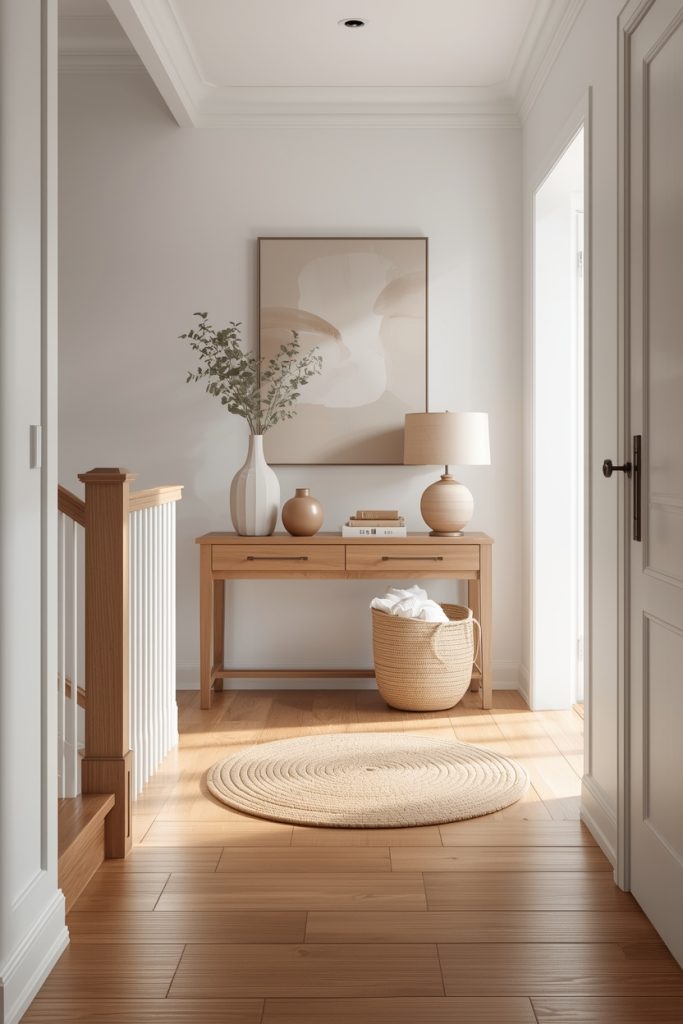
Neutral interiors become even more powerful when paired with natural materials. Wood, linen, stone, clay, rattan, jute and cotton all carry a tactile warmth that synthetic materials can’t replicate. These textures have subtle imperfections and organic patterns that make a room feel more human and connected.
When you touch a linen pillow, run your hand across a wooden table or walk on a woven rug, your senses engage in a calming way. Natural materials slow the space down. They bring the grounding qualities of nature indoors, which helps regulate the nervous system. This is why a room with natural textures feels stable and rooted, even if the decor is minimal.
Natural materials also age beautifully. Wood deepens in tone, linen softens, and stone develops character. This slow evolution adds to the feeling of comfort and authenticity. It creates a home that feels alive, not static.
Light Neutrals Enhance Natural Light and Mood
Light neutrals have a unique ability to transform the way natural light moves through a room. Soft tones like warm white, cream and pale beige reflect sunlight gently, creating a glow that feels warm and uplifting. Instead of bouncing harshly, the light diffuses across the space, softening shadows and making the room feel more open.
This interaction with light has a direct impact on mood. Bright, even lighting boosts energy and reduces stress. It makes mornings feel fresher and evenings feel softer. A neutral palette also helps the room maintain a consistent atmosphere throughout the day. Morning light feels airy, afternoon light feels warm and evening light becomes cozy and golden.
Because neutrals don’t compete with the light, they allow it to become part of the design. The room feels brighter without needing strong artificial lighting or bold colours. This creates a calm, uplifting environment that supports wellbeing.
Soft Palettes Encourage Slow, Restful Living
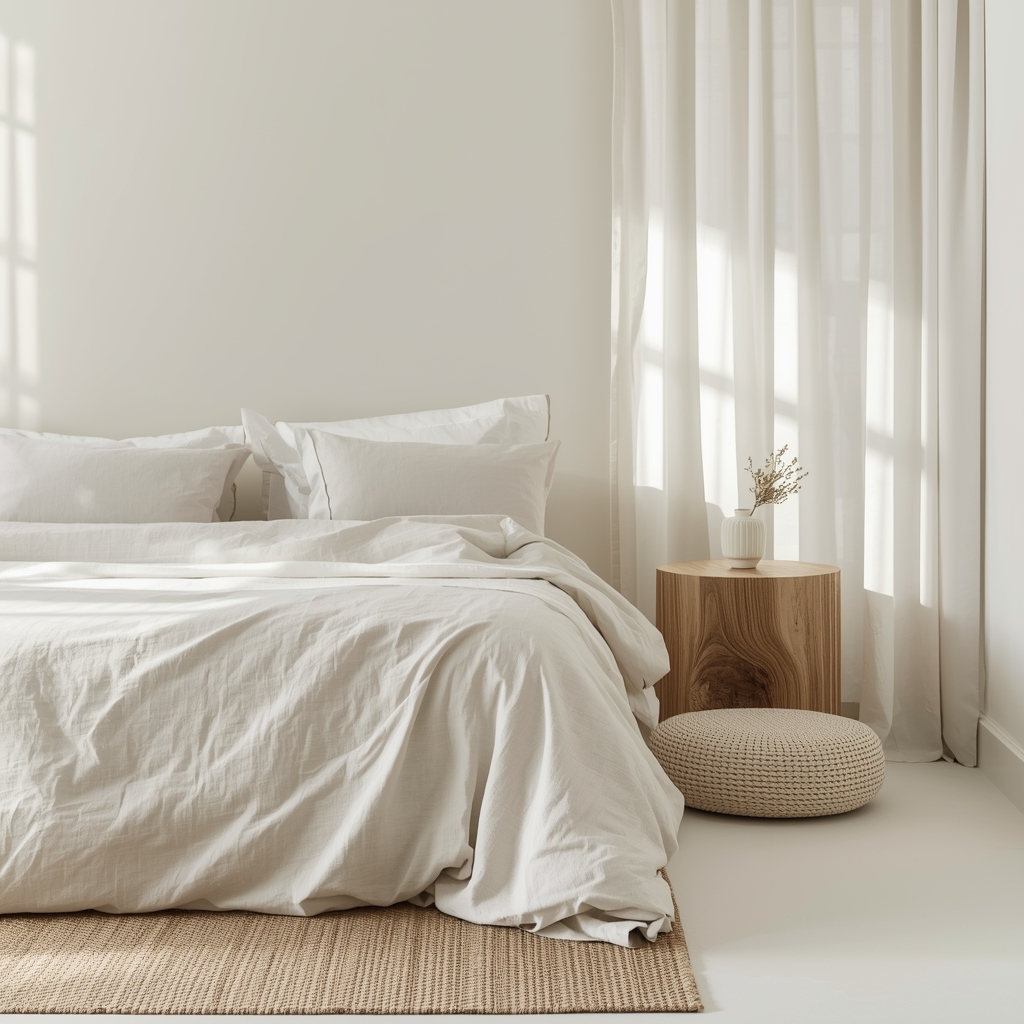
Neutral interiors naturally support a slower, more intentional way of living. When a room feels calm and uncluttered, it invites you to pause and enjoy the moment. Soft palettes create an atmosphere that supports quiet rituals like slow mornings, warm evenings and peaceful afternoons. These spaces make it easier to notice the small things. The way sunlight moves across the floor. The softness of a blanket. The warmth of a lamp in the evening. Neutral homes encourage you to slow down and connect with your environment.
Neutral Palettes Feel Timeless and Stable
Neutral tones have a timeless quality that makes a home feel stable and grounded. Because these colours are inspired by nature, they don’t follow trends in the same way bold colours do. They age gracefully and adapt easily to new seasons or small styling changes. This sense of timelessness creates emotional comfort. You don’t feel pressured to constantly update your home or chase the next trend. Instead, your space evolves gently with you. A neutral palette becomes a calm backdrop that supports your life rather than competing with it. This stability is especially important in a world that often feels fast and overstimulating. A neutral home becomes a place where you can return to yourself.
Neutral interiors create more than a visually pleasing home. They shape an environment that supports emotional ease, mental clarity and a slower, more intentional way of living. By surrounding yourself with soft tones, natural textures and gentle light, you build a space that feels grounding and restorative. A neutral home becomes a quiet retreat from the noise of everyday life, a place where you can breathe deeply, reconnect with yourself and move through your routines with a sense of calm. It’s a style that doesn’t just look good. It feels good, too.
